


CaringSG Webinar: Keeping Cool When Your Child Melts Down

Our Blog

On 21 November 2025, CaringSG hosted a lunchtime webinar titled “Keeping Cool When Your Child Melts Down”, bringing together caregivers and professionals to explore one of the most challenging aspects of caregiving — managing meltdowns safely, calmly, and compassionately.


The session featured Esther, a caregiver with lived experience, alongside professionals from the Disability Case Management Programme (DCMP). Together, they shared honest reflections, evidence-informed strategies, and reassurance that caregivers are not alone on this journey.

About the Webinar

Meltdowns can be intense, exhausting, and frightening — especially when they involve aggression, long durations, or public settings. This webinar was designed to help caregivers:

– Understand why meltdowns happen

– Learn how to identify triggers early

– Respond safely during a meltdown

– Know when and how to seek professional support

The session combined lived experience with professional insights, offering both emotional validation and practical tools.

A Caregiver’s Lived Experience: Esther’s Story

Esther opened the session by sharing her journey caring for her son, Brian, who has autism and experienced near-daily meltdowns in earlier years. These episodes escalated during puberty as Brian grew bigger and stronger, sometimes involving shouting, throwing objects, door-banging, and physical aggression. At their peak, meltdowns could last for hours.

With support, consistency, and learning over time, the situation has improved — but Esther was candid about how hard the journey has been.

She shared strategies that made a difference for her family, including:

– School-based supports such as breathing exercises, sensory tools, and visual schedules

– Home coaching through the Family Empowerment Programme (FEP)

– Structured routines and predictable daily rhythms

– Managing screen time and building in regular movement and outdoor activities

– Advance preparation using calendars and pictures before outings

– Safety-first decisions when travelling or in public spaces, including knowing when to exit early to prevent escalation

Esther’s message was clear: progress is possible, but it takes time, support, and a willingness to adapt.

Understanding DCMP: Partnering Caregivers Through Complexity

The session continued with an overview of the Disability Case Management Programme (DCMP), which supports individuals with complex needs, including severe challenging behaviours and mental health concerns.

DCMP works across Singapore through partner agencies and typically supports families via referrals from schools or service providers. Caregivers can also seek guidance through CaringSG’s support pathways to explore whether DCMP may be suitable.

The emphasis is on partnership — walking alongside caregivers rather than leaving them to cope alone.

Identifying Triggers and Preventing Escalation

A key theme of the webinar was prevention. Identifying triggers early can help reduce the intensity and frequency of meltdowns.

Some core concepts shared included:

Managing Expectations

High expectations can lead to bigger frustrations when plans change or delays occur. Using clear timers, conservative estimates, or reducing announcements can help lower emotional load.

The Caregiver–Child Relationship

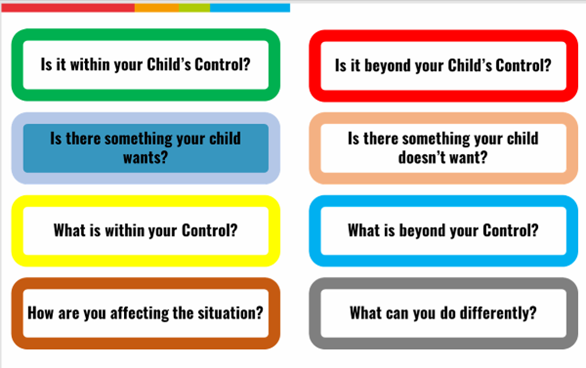
The speakers used a “Wi-Fi” analogy: a strong relationship provides better connection during difficult moments. Trust and regular positive interactions give caregivers more flexibility when things go wrong.

Meeting Physical and Sensory Needs

Daily movement and outdoor time help regulate emotions and build resilience. When these needs are unmet, children may be more vulnerable to triggers.

Looking for Patterns

Tracking situations, sensory inputs (noise, lights), routine changes, and rigidity can help caregivers spot early warning signs.

Considering Comorbidities

If behaviours persist despite consistent strategies, professional assessment may be needed to explore underlying mental health or medical factors.

What to Do During a Meltdown: Practical Guidance

Caregivers were encouraged to reframe meltdowns as physiological overload, not deliberate misbehaviour.

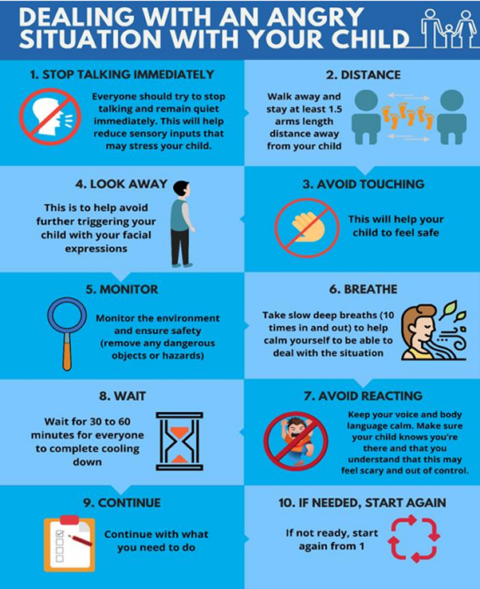
When a meltdown happens, the priority is safety and de-escalation, not teaching or discipline.

Key principles shared:

  
– Reduce verbal input — stop explaining or correcting

– Keep a safe distance to avoid injury

– Avoid touching when adrenaline is high

– Maintain a neutral expression and lower gaze

– Remove objects that could cause harm

– Regulate yourself first through slow breathing

– Allow time — meltdowns may take a long while to pass

Caregivers were reminded that behaviour correction should only happen after calm has returned.

Simple visual supports or AAC tools (kept very minimal) can also help non-verbal children during high stress moments.

When Behaviour Becomes Dangerous

The speakers addressed a difficult but important topic: when professional or emergency intervention is necessary.

Caregivers were advised to seek urgent help when there is imminent danger to the child or others. Emergency services can assist with immediate containment and assessment. For ongoing risk, referrals through schools, polyclinics, psychologists, or psychiatric services may be appropriate.

Seeking help is not a failure — it is a protective step.

Community Reflections

The session also acknowledged the social challenges caregivers face, including neighbour complaints and stigma related to noise or disruptive behaviour.

Caregivers were encouraged to:

– Build rapport with neighbours where possible

– Share context proactively when appropriate

– Not internalise every complaint

CaringSG reaffirmed that many in the community are understanding, even if it may not feel that way in the moment.

Moving Forward Together

The webinar closed with encouragement and reassurance.

Caregiving through meltdowns is emotionally demanding, and progress is rarely linear. Small steps matter. Learning takes time. Support makes a difference.

Caregivers were reminded that they are not alone — and that with the right strategies, partnerships, and compassion for themselves, safer and calmer moments are possible.

If you missed the webinar, the recording and additional resources will be made available on the CaringSG website. Stay connected for more learning opportunities and community support as we continue this journey together.

Not a Standard Member yet? Unlock full access to exclusive resources, support groups, and caregiver programmes by upgrading your membership today!

Find out more here.

Other Updates

CaringSG Webinar Summary: Empowering Families Through Sexuality Education

Teaching children about sexuality and healthy relationships is never an easy task, and for parents of children with intellectual disabilities and autism spectrum disorder (ASD), the challenges can feel even more overwhelming. To support caregivers on this journey, CaringSG recently hosted a webinar featuring expert insights and heartfelt sharing from both a professional and a parent, offering practical guidance, reassurance, and hope.

Read More »
Back to top